
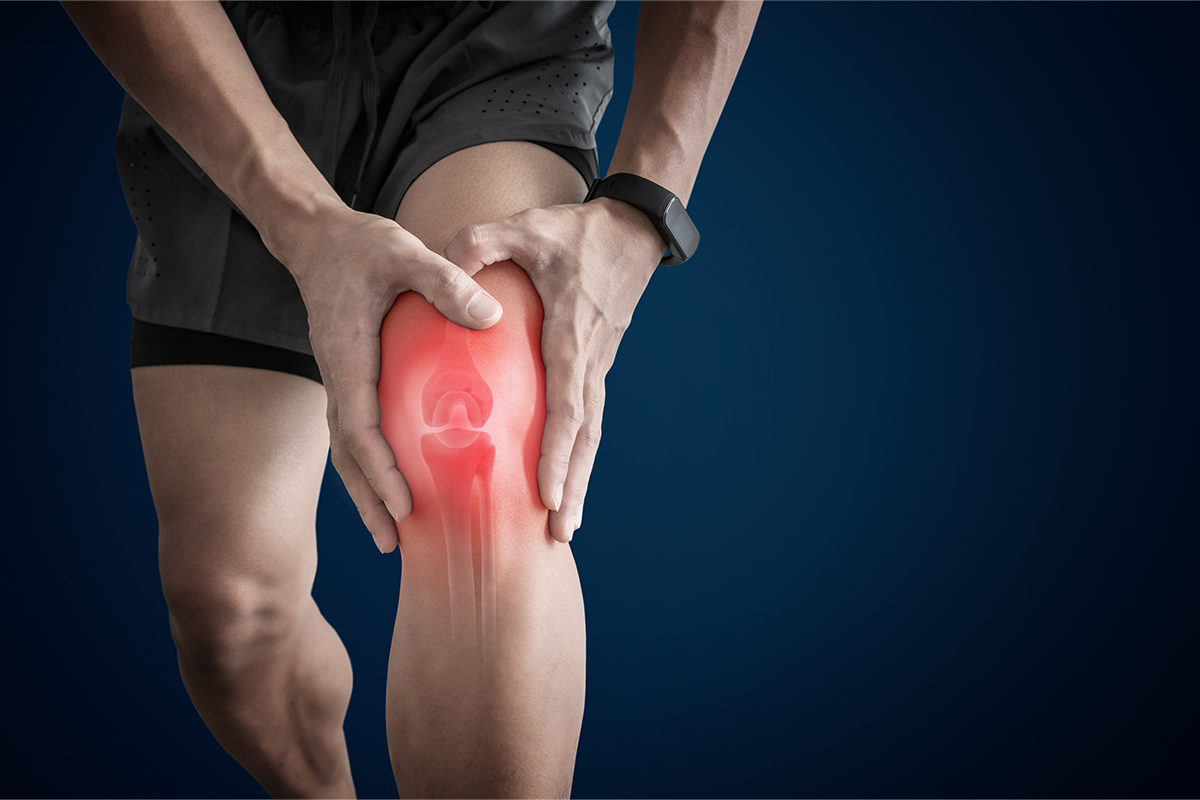
The Progression of Arthritis rarely starts with severe pain. For most individuals, it develops gradually through subtle symptoms that are easy to ignore. Morning stiffness, occasional knee discomfort, mild swelling, difficulty climbing stairs, or reduced flexibility are often the earliest warning signs of joint degeneration. Unfortunately, many patients delay seeking orthopedic care until everyday movement becomes painful and mobility is significantly affected.
At Opera Bone and Joint Clinic in Bangalore, Dr. Rohit Ponnanna KM believes that early diagnosis and intervention are essential for preserving long-term joint health and preventing unnecessary disability.
Why Arthritis Is Becoming More Common in Bangalore
Across areas such as Jayanagar, Basavanagudi, Rajajinagar, Seshadripuram, and Malleshwaram, orthopedic consultations for arthritis are steadily increasing. Several lifestyle factors contribute to this trend, including:
- Sedentary work environments
- Prolonged sitting and poor posture
- Obesity and excess body weight
- Previous sports injuries
- Aging-related cartilage wear
- Lack of regular physical activity
These factors place additional stress on the joints, accelerating cartilage degeneration and increasing the risk of osteoarthritis.
Orthopedic Clinic in Bangalore
Early Symptoms of Arthritis You Should Never Ignore
Many patients assume joint discomfort is a normal part of aging. However, the following symptoms may indicate the early stages of arthritis:
- Morning joint stiffness
- Knee pain while climbing stairs
- Swelling around the joints
- Clicking or grinding sounds during movement
- Difficulty sitting cross-legged
- Reduced flexibility and range of motion
- Pain after prolonged walking or standing
Seeking an orthopedic evaluation during these early stages can significantly improve long-term outcomes.
https://kansaspainmanagement.com/all-you-need-to-know-about-arthritis/
Not Every Arthritis Patient Needs Surgery
One of the biggest misconceptions surrounding arthritis treatment is that surgery is inevitable. In reality, many patients with early-stage arthritis can successfully manage symptoms through non-surgical treatment options, including:
- Personalized physiotherapy programs
- Muscle strengthening exercises
- Weight management strategies
- Activity modification
- Joint protection techniques
- Lifestyle and posture correction
These treatments help reduce pain, improve joint stability, and slow disease progression.
When Joint Replacement Becomes Necessary
For patients with advanced arthritis and severe cartilage damage, symptoms may become persistent and debilitating. Common signs include:
- Constant knee or hip pain
- Significant stiffness
- Difficulty walking
- Reduced independence in daily activities
- Poor response to conservative treatments
In such cases, modern knee replacement and hip replacement surgery can provide lasting pain relief and restore mobility.
Today’s joint replacement procedures are more advanced than ever, utilizing precision surgical techniques, minimally invasive approaches, advanced implant technology, and structured rehabilitation protocols that support faster recovery and improved outcomes.
Arthritis Can Affect Younger Adults Too
While arthritis is commonly associated with older age groups, orthopedic specialists are increasingly diagnosing joint degeneration in younger adults. Previous injuries, obesity, sedentary lifestyles, and excessive strain on joints can accelerate cartilage wear much earlier than expected.
Early orthopedic consultation remains one of the most effective ways to slow arthritis progression, reduce pain, and maintain mobility for years to come.
Expert Arthritis Care at Opera Bone and Joint Clinic
At Opera Bone and Joint Clinic, Dr. Rohit Ponnanna KM provides comprehensive arthritis diagnosis and treatment tailored to each patient’s age, activity level, lifestyle, and stage of joint degeneration. The focus is always on preserving natural joint function whenever possible while helping patients regain comfort, mobility, and confidence.
If persistent joint pain, stiffness, or swelling is affecting your daily life, early intervention can make a significant difference in your long-term orthopedic health.