
“What even is Pickleball and do I have to play it to look cool?”- By Dr Ponnanna KM, Orthopaedic Surgeon, Opera Bone and Joint Clinic, Malleswaram, Bangalore
If you have spent any time around Bangalore’s sports communities recently, you have probably heard someone say, “Let’s play pickleball.”
You may also have wondered: What exactly is pickleball? Is it tennis? Is it badminton? Why does everyone suddenly seem to be playing it? And why are so many people talking about pickleball injuries?
As an orthopaedic surgeon at Opera Bone and Joint Clinic, Malleswaram, I have a particular interest in these questions. Pickleball is an enjoyable way to stay active, but like any sport, it places specific demands on your muscles, tendons, joints and bones. Understanding those demands can help you enjoy the game without turning a weekend match into a visit to the orthopaedic clinic.
Let us start with the basics.
What is pickleball?
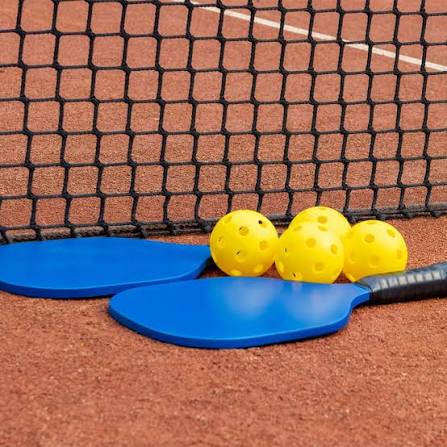
Pickleball is a paddle sport that combines elements of tennis, badminton and table tennis. It is played on a smaller court than tennis, using a solid paddle and a lightweight perforated plastic ball.
The game was invented in the United States in 1965. Today, it has become one of the fastest-growing recreational sports, attracting everyone from complete beginners to experienced racquet-sport players.
The appeal is easy to understand. You do not need years of training to learn the basic rules. The court is relatively small, games can be played in doubles, and the sport offers a combination of movement, coordination and social interaction.
For many Bangaloreans, pickleball has become a convenient way to exercise, meet friends and enjoy a competitive game after work.
But there is one important misconception I would like to address:
A smaller court does not automatically mean a low-risk sport.
Why is pickleball becoming so popular in Bangalore?
Bangalore has always had a strong recreational sports culture. From badminton and tennis to running, cycling and weekend cricket, people in the city are increasingly looking for ways to stay active.
Pickleball fits particularly well into this lifestyle.
It is relatively easy to learn, can be played indoors or outdoors, and does not require the same amount of court coverage as tennis. The sport has also benefited from growing visibility through organised leagues, social media and new recreational facilities.
Recent reporting from Bangalore has highlighted the rapid expansion of pickleball courts and the growing number of recreational players, particularly among adults who may not have been regularly active before taking up the sport.
From a health perspective, this is a positive development. Regular physical activity is important for cardiovascular fitness, muscle strength, mobility and overall wellbeing.
However, when a new sport becomes popular very quickly, there is often a gap between how much people want to play and how prepared their bodies are to play.
That is where injuries can begin.
Why are Bangaloreans getting injured playing pickleball?
The problem is not that pickleball is inherently dangerous. The problem is that many people underestimate the physical demands of the game.
A typical pickleball match involves repeated:
- Short sprints
- Sudden stops
- Changes of direction
- Lunges
- Twisting movements
- Reaching overhead
- Quick wrist and forearm movements
- Repeated acceleration and deceleration
These movements may not look as dramatic as a football tackle or a long tennis rally, but they still place stress on the body.
A player may feel comfortable during the first few games and then suddenly experience pain in the calf, ankle, knee, shoulder or elbow.
In Bangalore, where many recreational players are fitting games into busy work schedules, another common issue is that people may go from being relatively inactive during the week to playing several intense matches over the weekend.
The body needs time to adapt to a new activity.
If the muscles, tendons and joints are not prepared for the workload, the risk of injury increases.
The most common pickleball injuries I would want players to know about
1. Ankle sprains
Ankle sprains are among the most common injuries associated with pickleball.
They can happen when you change direction suddenly, land awkwardly or roll your ankle while moving sideways.
A player may feel a sharp pain, swelling or difficulty putting weight on the foot.
One important point: Do not assume that every ankle injury is “just a sprain.”
If you cannot bear weight, there is significant swelling, or the pain is severe, you should get the injury assessed.
2. Achilles tendon injuries
The Achilles tendon connects the calf muscles to the heel bone. It plays a major role in pushing off, running and jumping.
Pickleball involves repeated explosive movements, particularly when players rush towards a ball or suddenly change direction.
This can place stress on the Achilles tendon, especially in people who are not accustomed to regular exercise.
A sudden “pop” in the back of the ankle, followed by difficulty walking or pushing off, is a warning sign that should not be ignored.
Achilles tendon injuries have been reported in studies of pickleball-related lower-limb injuries, including serious ruptures that may require surgical treatment.
3. Knee pain and meniscus injuries
The knee is another joint that can be affected by pickleball.
Repeated twisting, lunging and sudden changes in direction can place stress on the meniscus, which is a cushion-like structure inside the knee.
Players may experience:
- Pain while turning
- Swelling after playing
- Difficulty squatting
- A catching or locking sensation
- Pain while climbing stairs
Not every case of knee pain is a meniscus tear. It may also be related to muscle weakness, tendon irritation or pre-existing arthritis.
But if knee pain keeps returning after every game, it is worth getting it evaluated rather than simply continuing to play through it.
4. Shoulder injuries
The shoulder is heavily involved in pickleball, particularly during serves, overhead shots and repeated paddle movements.
The rotator cuff is a group of muscles and tendons that helps stabilise and move the shoulder.
Repetitive overhead activity can aggravate these structures, especially in players who have poor shoulder mobility or insufficient strength.
Common symptoms include:
- Pain while lifting the arm
- Difficulty reaching overhead
- Night pain
- Weakness during shots
- Pain after playing
Shoulder pain is not always a sign of a serious tear, but persistent pain should not be ignored.
5. Tennis elbow—or “pickleball elbow”
Yes, pickleball can cause tennis elbow.
The condition involves irritation of the tendons on the outer side of the elbow and is often related to repetitive gripping and wrist movements.
Despite its name, tennis elbow is not exclusive to tennis players. It can occur in people who play pickleball, badminton, use tools or perform repetitive hand movements.
Players may notice pain while gripping the paddle, lifting objects or shaking hands.
If the pain persists, treatment may involve activity modification, physiotherapy, strengthening exercises and, depending on the diagnosis, other medical interventions.
6. Wrist injuries and fractures
A fall on an outstretched hand is a common mechanism of injury in many sports.
In pickleball, players may lose balance while moving backwards, reaching for a ball or changing direction.
A fall can result in a wrist sprain, fracture or injury to the hand.
This is particularly important for older adults, who may have reduced bone density and a higher risk of fractures.
A study of pickleball-related injuries found that fractures were more common in older players, while soft-tissue injuries were more common in younger players.
Why do beginners sometimes get injured more easily?
One of the most common patterns I see in recreational sports is this:
The player’s enthusiasm increases faster than their physical conditioning.
Someone may start playing pickleball because friends invite them. They enjoy the first session, feel good the next day, and then decide to play again.
But the muscles and tendons may not yet be ready for repeated high-intensity movement.
This is especially relevant for people who:
- Have not exercised regularly
- Have a history of knee, ankle or shoulder problems
- Are returning to sport after a long break
- Are playing several matches in one session
- Are competing against much more experienced players
- Are using unsuitable footwear
The solution is not to avoid pickleball.
The solution is to build up gradually.
How can you prevent pickleball injuries?
Warm up before playing
A proper warm-up prepares the body for movement.
Start with a few minutes of light activity, followed by dynamic movements that involve the ankles, knees, hips, shoulders and upper body.
Avoid going directly from sitting in your car to playing an intense match.
Wear the right shoes
Pickleball involves lateral movement, so footwear matters.
Choose shoes that provide:
- Good grip
- Adequate cushioning
- Proper fit
- Support for the type of court you are playing on
Running shoes are designed primarily for forward movement. Court shoes are generally better suited to sports involving repeated side-to-side movement.
Build strength outside the court
Playing pickleball is not the same as preparing your body for pickleball.
Strengthening the calves, quadriceps, hamstrings, glutes, core and shoulder muscles can help improve stability and movement control.
You do not need to become a professional athlete. Even a simple, consistent strength-training routine can make a difference.
Do not ignore pain
There is a difference between normal post-exercise muscle soreness and pain that signals an injury.
If you experience sharp pain, swelling, instability, weakness or pain that persists after playing, stop and get assessed.
Continuing to play through an injury can sometimes turn a manageable problem into a more complicated one.
Give your body time to recover
Rest is part of training.
If you have just started playing, avoid increasing the duration and intensity of your games too quickly.
Recovery is particularly important if you are playing multiple days in a row.
When should you see an orthopaedic doctor?
You should consider an orthopaedic evaluation if you experience:
- Persistent pain after playing
- Significant swelling
- Difficulty bearing weight
- Repeated ankle sprains
- A feeling of instability in the knee
- Shoulder weakness or night pain
- Elbow pain that does not improve
- A sudden pop followed by weakness
- Pain that keeps returning every time you play
At Opera Bone and Joint Clinic, Malleswaram, our approach is to understand not just where the pain is, but why it happened.
That may involve a clinical examination, assessment of movement and strength, and imaging when necessary.
The goal is not simply to treat the injury. It is to help you return to the activities you enjoy safely.
My advice to Bangalore’s pickleball community
Pickleball is a fantastic sport.
It can improve fitness, coordination, mobility and social wellbeing. It is also a great way for people who may not enjoy traditional gym workouts to become more active.
But I would encourage every player—especially beginners—to remember that recreational sport still requires preparation.
You do not need to be an athlete to play pickleball.
You just need to respect the demands of the game.
Warm up. Wear appropriate shoes. Build strength. Increase your playing time gradually. And if something hurts, do not simply assume it will go away.
The best outcome is not just winning the match.
The best outcome is being able to keep playing for years without unnecessary injuries.
Looking for an Orthopaedic Doctor in Malleswaram, Bangalore?
If you have developed knee pain, ankle pain, shoulder pain, elbow pain or another sports-related injury while playing pickleball, consult an orthopaedic specialist for a proper evaluation.
Dr Ponnanna KM is an orthopaedic surgeon at Opera Bone and Joint Clinic, Malleswaram, Bangalore, providing evaluation and treatment for sports injuries, joint pain and musculoskeletal conditions.
If your pain is persistent, recurrent or affecting your ability to walk or play, do not ignore it.
Your next game should not have to wait for your injury to become worse.
For residents of Malleswaram, Rajajinagar, Sadashivanagar, Vyalikaval, Seshadripuram, Yeshwanthpur, Mathikere, Hebbal, Sanjaynagar, Nandini Layout, Mahalakshmi Layout, Basaveshwaranagar, Vijayanagar, West of Chord Road, Palace Guttahalli, Subramanyanagar, RT Nagar, Ganganagar, Jalahalli, Peenya, Vidyaranyapura, Dollars Colony and Nagasandra, pickleball is becoming an increasingly popular way to stay active, socialise and enjoy a competitive game close to home. But as an orthopaedic surgeon at Opera Bone and Joint Clinic, Malleswaram, I would encourage players from these neighbourhoods to remember that even a recreational sport can place considerable demands on the body. Whether you are playing your first match or returning to the court after years away from regular exercise, understanding common pickleball injuries and taking the right precautions can help you enjoy the game safely.