
Introduction
Restoring Mobility in Somalia: Mobility is fundamental to independence. Whether it involves walking, climbing stairs, standing for extended periods or carrying out everyday activities, healthy joints play an essential role in maintaining quality of life. When a condition affecting the knee or hip begins to interfere with these movements, appropriate orthopaedic care can make a meaningful difference.
For patients requiring surgical intervention, the journey involves more than the procedure itself. Careful assessment, surgical expertise, appropriate treatment planning and postoperative recovery all contribute to the overall treatment experience.
An orthopaedic case from Somalia, managed by Dr. Ponnanna as the lead surgeon, highlights the importance of surgical care in addressing conditions that affect mobility. Following treatment, the patient recovered and regained function, underscoring the importance of considering functional improvement as a key part of the patient’s journey.
The case offers an opportunity to explore the role of orthopaedic surgery, the importance of precision in the operating room and the broader objective of helping patients return to their daily activities.
Understanding Conditions That Affect the Knee and Hip
The knee and hip are two of the body’s principal weight-bearing joints. They work together with surrounding muscles, ligaments and tendons to support movement, maintain balance and distribute forces during everyday activities.
However, these joints can be affected by a range of conditions, including degenerative changes, injuries, fractures and damage to surrounding soft tissues.
Knee problems may cause discomfort while walking, difficulty climbing stairs, stiffness after sitting or a feeling of instability. Hip conditions may present as pain around the hip or groin, reduced movement or difficulty bearing weight.
The appropriate treatment depends on the underlying diagnosis. Some conditions respond well to physiotherapy, medication and activity modification, while others may require surgical intervention.
An orthopaedic evaluation helps establish the cause of symptoms and determine the most appropriate treatment pathway. This typically involves reviewing the patient’s medical history, conducting a physical examination and using diagnostic investigations when necessary.
Understanding the underlying problem is essential because two patients with similar symptoms may require entirely different treatments.
The Somalia Case: Surgical Care Focused on Functional Recovery
The case from Somalia involved a patient with an orthopaedic condition affecting the knee or hip region. Dr. Ponnanna was the lead surgeon responsible for the surgical management.
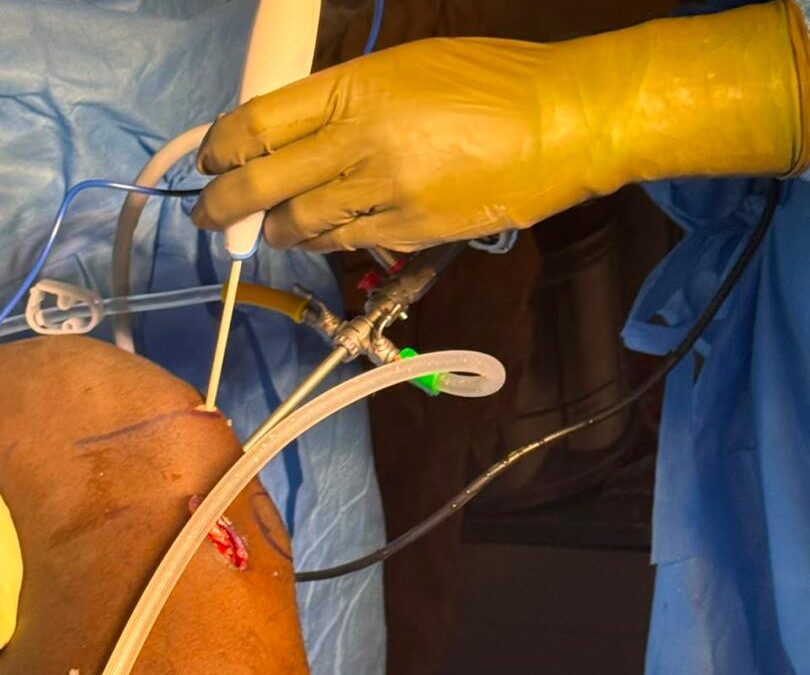
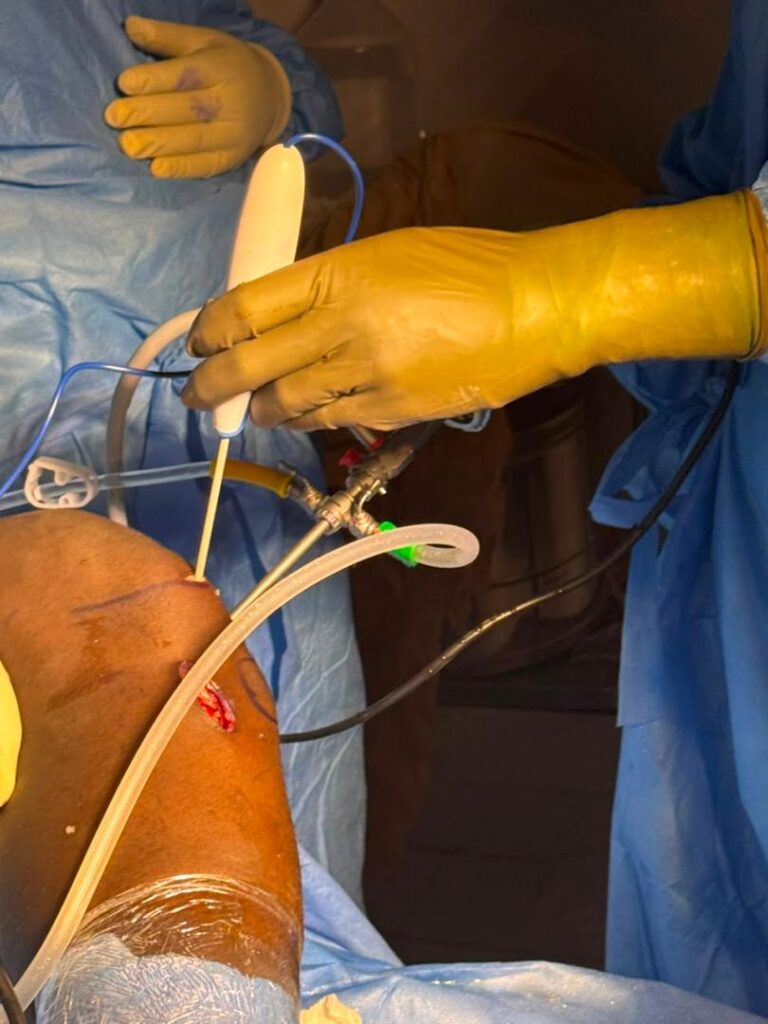
The accompanying intraoperative photograph captures the clinical environment during the procedure, showing the surgical team working with instruments around the operative field.
Every orthopaedic operation requires careful consideration of the structures involved, the patient’s condition and the objectives of treatment. Depending on the diagnosis, surgery may aim to address damaged tissue, restore structural stability, improve joint function or manage a condition that has significantly affected mobility.
The exact diagnosis and procedure performed in this case have not been confirmed. Nevertheless, the reported recovery and return of function provide an important part of the patient’s treatment story.
Functional recovery is particularly relevant in orthopaedics because the ultimate objective extends beyond completing a surgical procedure. It also involves helping patients regain movement and return to activities appropriate to their condition.
The Importance of Precision in Orthopaedic Surgery
Orthopaedic surgery often involves working with structures that are essential for movement and stability. Careful surgical planning and precise technique are therefore important throughout the procedure.
Before an operation, the treating team evaluates the patient’s condition and considers the available treatment options. The decision to proceed with surgery depends on the diagnosis, the extent of the problem, the patient’s functional limitations and the potential benefits and risks of intervention.
During surgery, maintaining a controlled operative environment, following appropriate sterile practices and handling tissues carefully are important components of patient care.
The operating-room photograph accompanying this case offers a glimpse into that environment. Although the image cannot establish the precise procedure, it illustrates the setting in which surgical instruments and equipment are used as part of the operative process.
The technical approach itself varies depending on the condition being treated. Different procedures require different instruments, surgical access methods and postoperative protocols. This is why the diagnosis and operation must be established before making specific claims about the surgical technique used.
Dr. Ponnanna’s Role in the Case
As the lead surgeon, Dr. Ponnanna was responsible for the surgical management of the case.
The lead surgeon’s role involves overseeing the operative aspects of treatment and making decisions appropriate to the patient’s clinical circumstances. Surgical care also depends on coordination with other healthcare professionals involved in anaesthesia, perioperative monitoring and postoperative management.
Successful patient care is therefore a collaborative process, with different members of the clinical team contributing to safety and recovery.
Each patient presents a distinct set of clinical considerations. The appropriate treatment plan must reflect the patient’s diagnosis, overall health, functional needs and expected recovery.
In the Somalia case, the reported return of function provides a positive element of the treatment narrative. Further clinical details would help establish the specific challenges involved and explain the surgical decisions made during the patient’s treatment.
Recovery: Why Regaining Function Matters
For someone experiencing a condition that limits mobility, recovery can represent an important step towards regaining independence.
Depending on the diagnosis and procedure, orthopaedic rehabilitation may involve gradual mobilisation, pain management, wound care and exercises designed to improve strength, flexibility and movement.
The timing of recovery differs from one procedure to another. Some patients require a gradual return to weight-bearing activities, while others may follow a different rehabilitation pathway based on the structures treated and the surgeon’s recommendations.
Physiotherapy can play an important role in many orthopaedic recovery programmes. Appropriate exercises may help improve muscle strength, joint movement, balance and confidence during daily activities.
Recovery should always be guided by the treating team, particularly when the operation involves a weight-bearing joint.
In this case, the available information indicates that the patient recovered and regained function following treatment. While the exact recovery timeline and degree of functional improvement have not been documented, this reported outcome forms an important part of the patient’s journey.
Why Individualised Orthopaedic Treatment Matters
There is no single treatment approach suitable for every knee or hip condition. Effective orthopaedic care begins with identifying the underlying problem and determining which interventions are most likely to benefit the individual patient.
For some patients, non-surgical treatment may be sufficient. Others may require an operation to address an injury or structural problem.
Treatment decisions should consider the patient’s symptoms, examination findings, diagnostic investigations, medical history and functional goals.
Equally important is the planning that follows treatment. Patients need appropriate guidance on activity levels, rehabilitation and the signs that should prompt further medical review.
A patient-centred approach recognises that recovery is not identical for everyone. The aim is to select an appropriate treatment strategy and support the best achievable functional outcome for each individual.
Orthopaedic Care Across Geographical Boundaries
The Somalia setting gives this case an international dimension and provides an opportunity to highlight orthopaedic surgical practice beyond a single geographical location.
Every clinical setting has its own circumstances, and the details of the healthcare facility, the operating team and the arrangements under which the surgery took place are important to the full account of a case.
Regardless of location, the fundamental principles of orthopaedic care remain centred on appropriate diagnosis, considered treatment decisions, surgical safety and attention to recovery.
The case involving Dr. Ponnanna illustrates these broader principles through a patient’s reported progression from surgical treatment to regained function.
Conclusion
Orthopaedic conditions can affect nearly every aspect of daily life, from walking and maintaining balance to performing routine tasks independently. Appropriate treatment can help patients address these challenges and work towards improved mobility.
The Somalia case managed by Dr. Ponnanna as lead surgeon highlights the role of surgical care in the management of an orthopaedic condition involving the knee or hip region. The patient’s reported recovery and return of function provide a meaningful conclusion to the treatment journey.